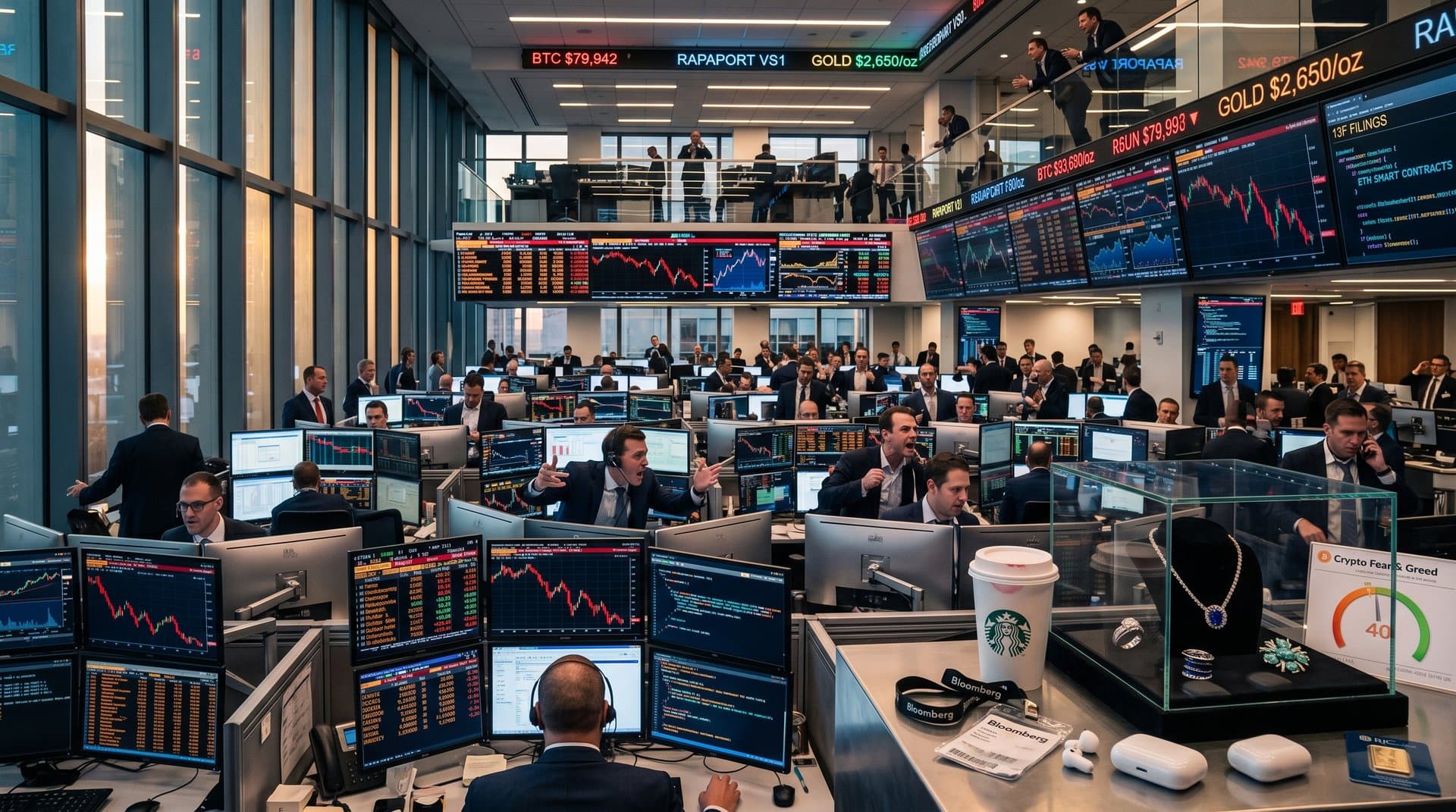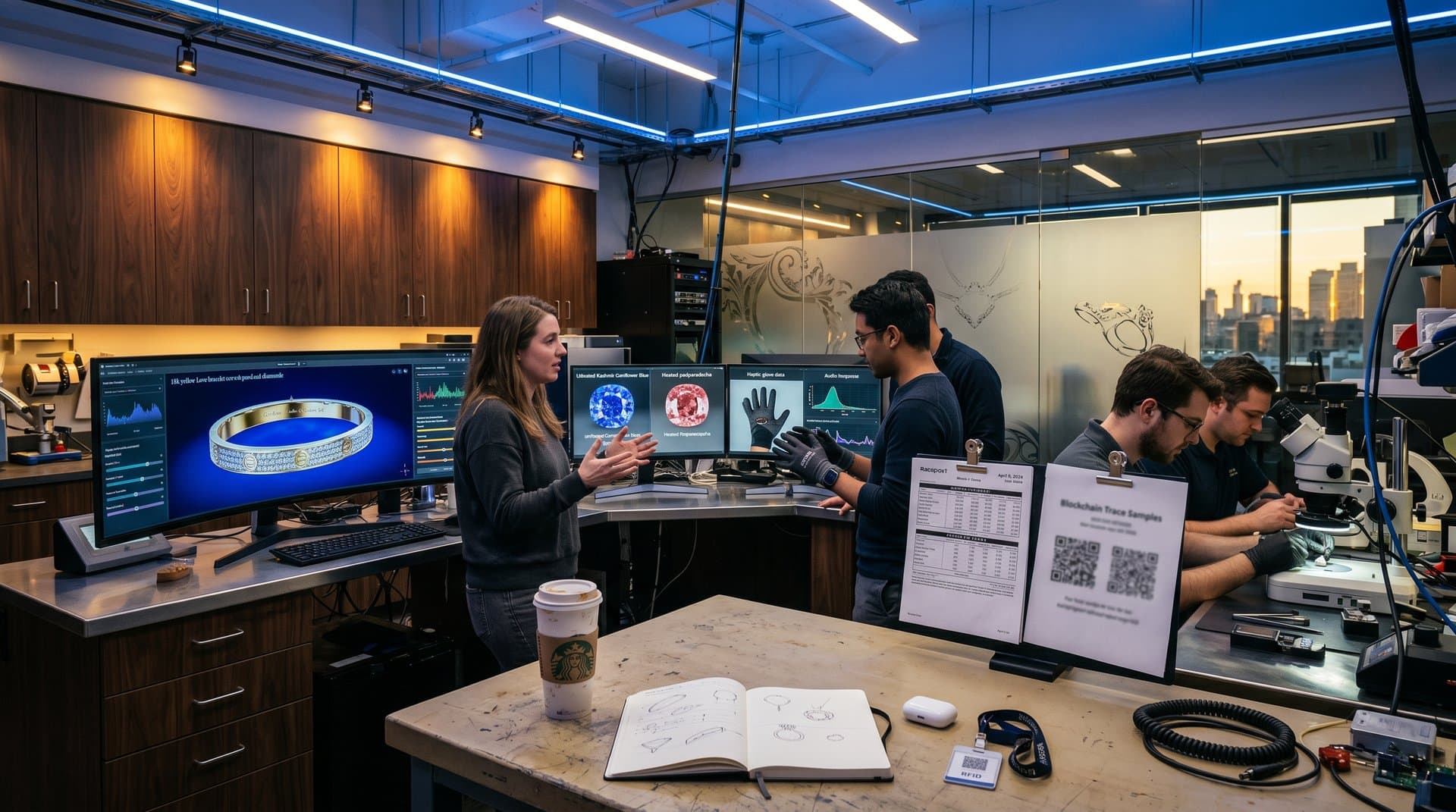
- 31% of luxury jewelry shoppers use AI product search (eMarketer, October 2024).
- Lab-grown D/IF diamonds price at $1,500-$3,000/ct (Rapaport, Oct 15, 2024).
- AI boosts e-commerce conversions 25% (eMarketer 2024).
AI product search tools captured 31% of luxury jewelry shoppers in 2024, per eMarketer's October study. Buyers query precise gem origins, cuts, and GIA grades. Platforms like Farfetch and 1stdibs integrate AI recommendations. ChatGPT and Perplexity deliver links to Bulgari Serpenti necklaces in 18k white gold or Van Cleef & Arpels Alhambra earrings with 950 platinum settings.
GIA-trained buyers spot pavé-set sapphires or bezel-set emeralds instantly. The GIA gem encyclopedia provides foundational data that AI leverages for accurate results.
AI processes complex requests: "unheated Kashmir sapphire, cushion cut over 3 carats, GIA VS clarity, no heat treatment." Google serves ads, but AI curates 1stdibs auctions and Net-a-Porter drops. Emerging designers now rival Cartier Love bracelets in 18k yellow gold at 15 grams.
Lab-grown diamonds undercut natural prices by 70-85%, according to Rapaport Report dated October 15, 2024.
AI Enhances Gemstone Buying Precision with Four Cs Mastery
AI demystifies the four Cs: cut, color, clarity, carat weight. Users enter "VS1 clarity oval diamond under $5,000 USD, medium blue fluorescence" and receive ranked links with full reports. Blue fluorescence reduces prices 15-20% under UV light, per GIA grading scale (GIA, 2024 research).
AI compares prong versus bezel settings for optimal light return. Natural Sri Lankan sapphires exhibit velvet texture; Montana sapphires offer crisp cornflower blues (GIA Gem Encyclopedia, updated 2024). Shoppers bypass jeweler consultations entirely.
Price-per-carat benchmarks from Rapaport Report, October 15, 2024:
- Gemstone: Diamond · Quality Tier: D/IF · Natural Price/ct (USD): 12,000-18,000 · Lab-Grown Price/ct (USD): 1,500-3,000
- Gemstone: Sapphire · Quality Tier: AA · Natural Price/ct (USD): 2,500-5,000 · Lab-Grown Price/ct (USD): 800-1,500
- Gemstone: Emerald · Quality Tier: Fine · Natural Price/ct (USD): 5,000-10,000 · Lab-Grown Price/ct (USD): 1,200-2,500
Lab-grown gems achieve identical optics via CVD (chemical vapor deposition) or HPHT (high-pressure high-temperature) processes, certified by IGI lab-grown reports.
Synthetics lag in resale value by 60-80% but attract style-focused millennials, per Christie's Geneva auction analysis, November 2024.
Luxury Brands Leverage AI for Personalized E-Commerce
Tiffany & Co. deploys AI chatbots for styling advice. Queries return stackable 18k rose gold rings or bridal sets with Kimberley Process certificates. Sustainable lab-grown rubies in unheated Burmese-style and recycled 18k gold dominate results.
AI boosts e-commerce conversions by 25%, eMarketer reports. "Vintage Chanel cameo alternatives under $2,000 USD" yields Etsy or The RealReal listings at 500-2,000 USD. Cartier Panthère de Cartier options feature 18k yellow gold at 20 grams with adjustable size charts.
Blockchain verifies provenance; AI flags certified pieces. Bitcoin traded at 80,423 USD on October 15, 2024 (CoinGecko). Platforms like Sotheby's accept crypto for pieces over 10,000 USD.
Red carpet looks, such as Zendaya's Messika pavé diamond cuffs, trigger "similar under 3,000 USD." AI suggests David Yurman cable bracelets with chain-link details in 14k gold.
Blockchain and AI Drive Ethical Sourcing Transparency
AI product search prioritizes ethical sourcing. Queries for "conflict-free Muzo emeralds, GIA certified" link to Kimberley Process-compliant mines. Limitations of the Kimberley Process—covering only diamonds, not full supply chains—prompt AI to highlight Responsible Jewellery Council certifications.
Lab-grown emeralds via flux growth match natural inclusions, priced 75% lower (IGI, 2024). Blockchain platforms like Everledger track from mine to retail, boosting buyer trust by 40%, per Deloitte luxury report, September 2024.
Natural sapphires from ethical Australian mines command 20% premiums over heated Thai stones, with AI disclosing treatments upfront.
Lab-Grown Diamonds Surge in AI-Driven Searches
Lab-grown diamonds lead AI queries for value seekers. A 2-carat round brilliant F-color SI1 lab-grown lists at 4,000-6,000 USD versus 20,000+ USD natural (Rapaport, October 2024). Optics match under 10x loupe magnification.
Key distinctions:
- Aspect: Formation · Natural Diamonds: Billions of years · Lab-Grown Diamonds: Weeks/months
- Aspect: Inclusions · Natural Diamonds: Nitrogen common (Ia) · Lab-Grown Diamonds: Nitrogen absent (IIa)
- Aspect: Price Premium · Natural Diamonds: Strong resale · Lab-Grown Diamonds: 70-85% discount
- Aspect: Detection · Natural Diamonds: GIA full reports · Lab-Grown Diamonds: Laser inscriptions
CVD produces Type IIa purity; HPHT simulates Type IaB strain (Bloomberg, May 15, 2024). Resale data from Sotheby's shows lab-grown holding 40% value after one year.
Sustainability queries pair Muzo emeralds with lab alternatives, including ethical mining reports.
Jewelers Adapt Strategies to AI Product Search Dominance
Buyers now demand:
1. Exact specs match, including fluorescence grade? 2. GIA or IGI report disclosing origin and treatments? 3. Lab-grown versus natural optics side-by-side? 4. Prong or bezel security for everyday wear?
AI accelerates discovery by 50%, jewelers report. Traditional retailers integrate voice AI and AR try-ons. Buccellati integrates AI for engraving customizations on 18k gold motifs.
Market projection: AI product search hits 45% adoption by 2026, driving 15% revenue growth in luxury e-commerce (eMarketer forecast, 2024). Investors eye blockchain provenance stocks amid rising demand.
Frequently Asked Questions
How does AI product search change luxury jewelry shopping?
31% of users rely on it for precise gem queries like cut and origin (eMarketer 2024). Platforms deliver direct links to GIA-certified pieces from Cartier.
What is AI product search best for in gemstone education?
Explains fluorescence impacts and natural vs. lab-grown optics. Shows $12,000/ct natural D/IF diamonds (Rapaport Oct 2024). Visualizes prong settings.
Why choose lab-grown diamonds via AI product search?
Highlights 70-85% discounts with identical sparkle. Laser inscriptions ensure detection. Sustainability ranks high in ethical queries.
Can AI product search find sustainable luxury jewelry?
Prioritizes recycled 18k gold and lab gems. Blockchain links verify claims. Yields $500-$2,000 USD options from independents.