By Andre Baptiste April 10, 2026
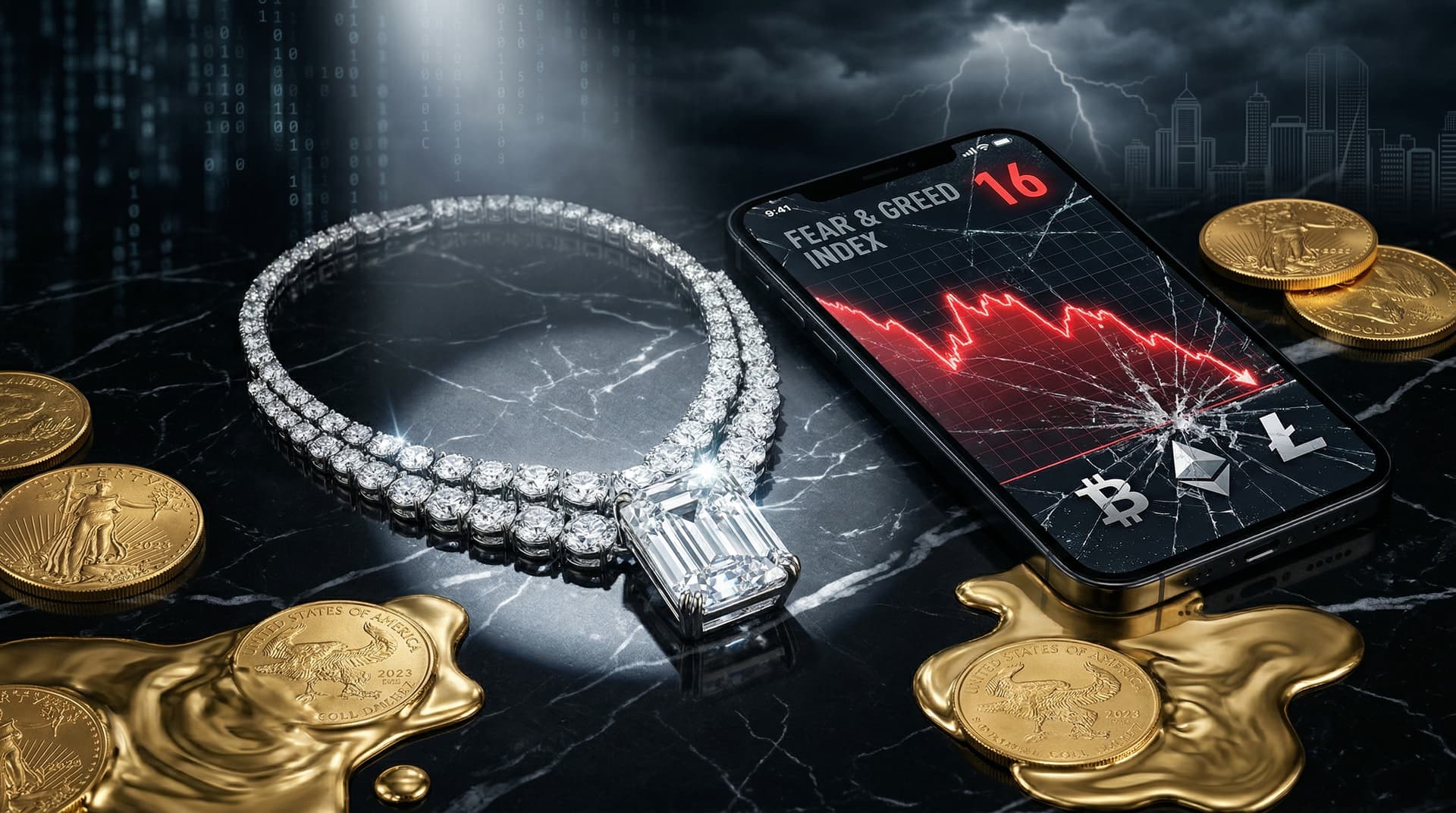
Crypto Risks threaten high-net-worth individuals (HNWI) diversifying from luxury jewelry, Morgan Stanley warns in a client advisory dated April 10, 2026. Volatility dominates concerns amid extreme market fear.
Market Snapshot Signals Extreme Fear
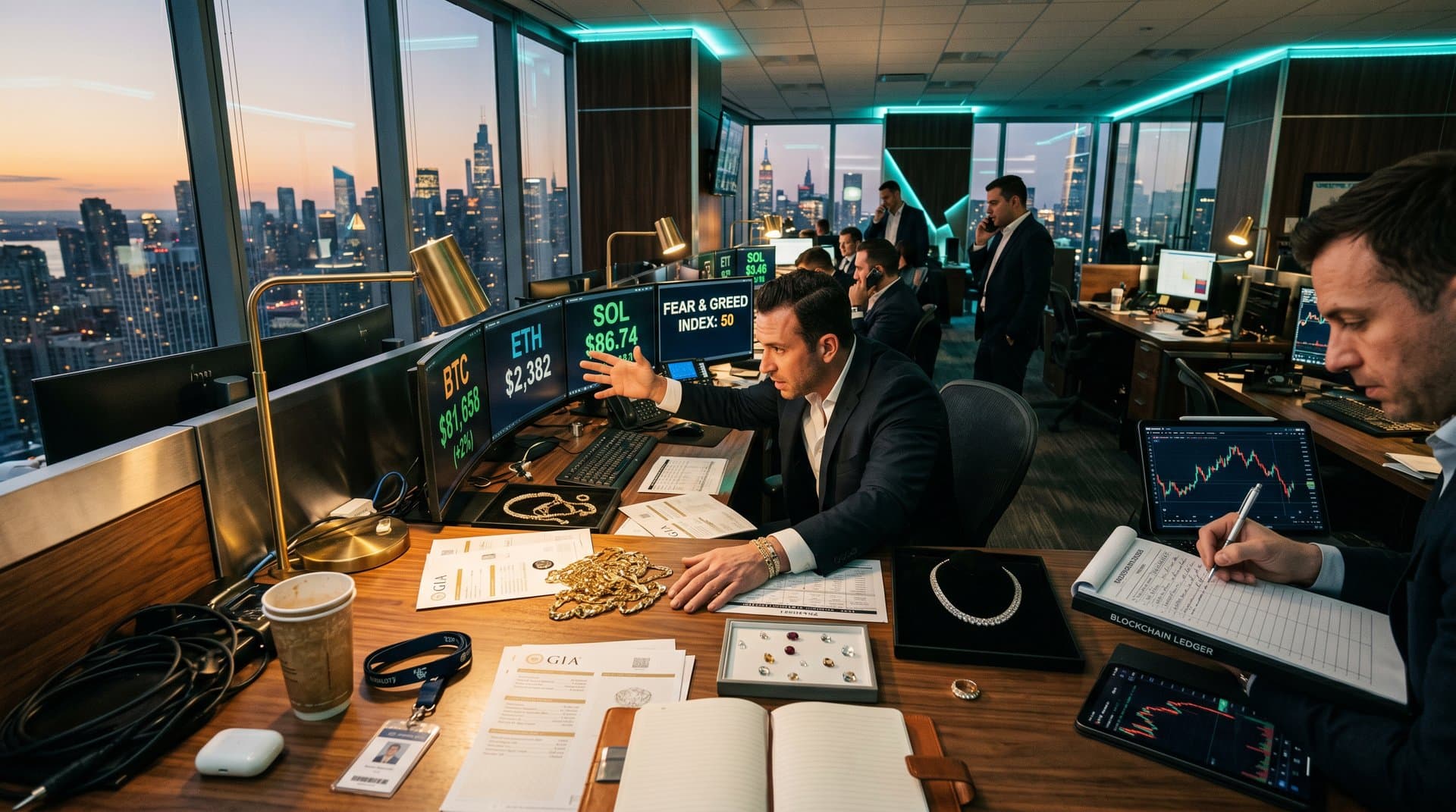
The Crypto Fear & Greed Index hit 16 on April 10, 2026, per Alternative.me. Bitcoin trades at $73,170 USD, up 1.6 percent. Ethereum holds at $2,251.61 USD, gaining 1.7 percent. USDT stays at $1.00 USD.
XRP reaches $1.36 USD, up 0.2 percent. BNB hits $609.55 USD, up 0.2 percent. Morgan Stanley links this fear to 2022 lows via quantitative analysis.
Financial Context: Crypto Versus Jewelry Stability
Global luxury jewelry sales reached $52 billion USD in 2025, Bain & Company reports. LVMH posted jewelry revenue of 8.5 billion EUR for 2025, up 5 percent year-over-year. Richemont's jewelry division grew 12 percent to 4.2 billion CHF.
Cryptocurrency market cap stands at $2.6 trillion USD on April 10, 2026, CoinMarketCap data shows. Jewelry delivers tangible value with 0.4 beta versus crypto's 3.2, per Morgan Stanley volatility models. Traceable supply chains enhance jewelry's edge.
| Asset Class | Market Size (2026 est.) | Volatility (30-day) | Source |
|---|---|---|---|
| Crypto | $3.1T USD | 45% | CoinMarketCap |
| Luxury Jewelry | $55B USD | 8% | Bain & Company |
Crypto Risks Breakdown
Regulatory uncertainty leads risks. U.S. SEC ramps up scrutiny on exchanges after 2025 FTX fallout, Morgan Stanley notes. Europe's MiCA framework hikes compliance costs by 15 percent of operations.
Liquidity dries up in downturns. Bitcoin's 24-hour volume fell 20 percent last week to $45 billion USD, Kaiko data reveals. Jewelry secondary markets at Sotheby's retain 98 percent liquidity.
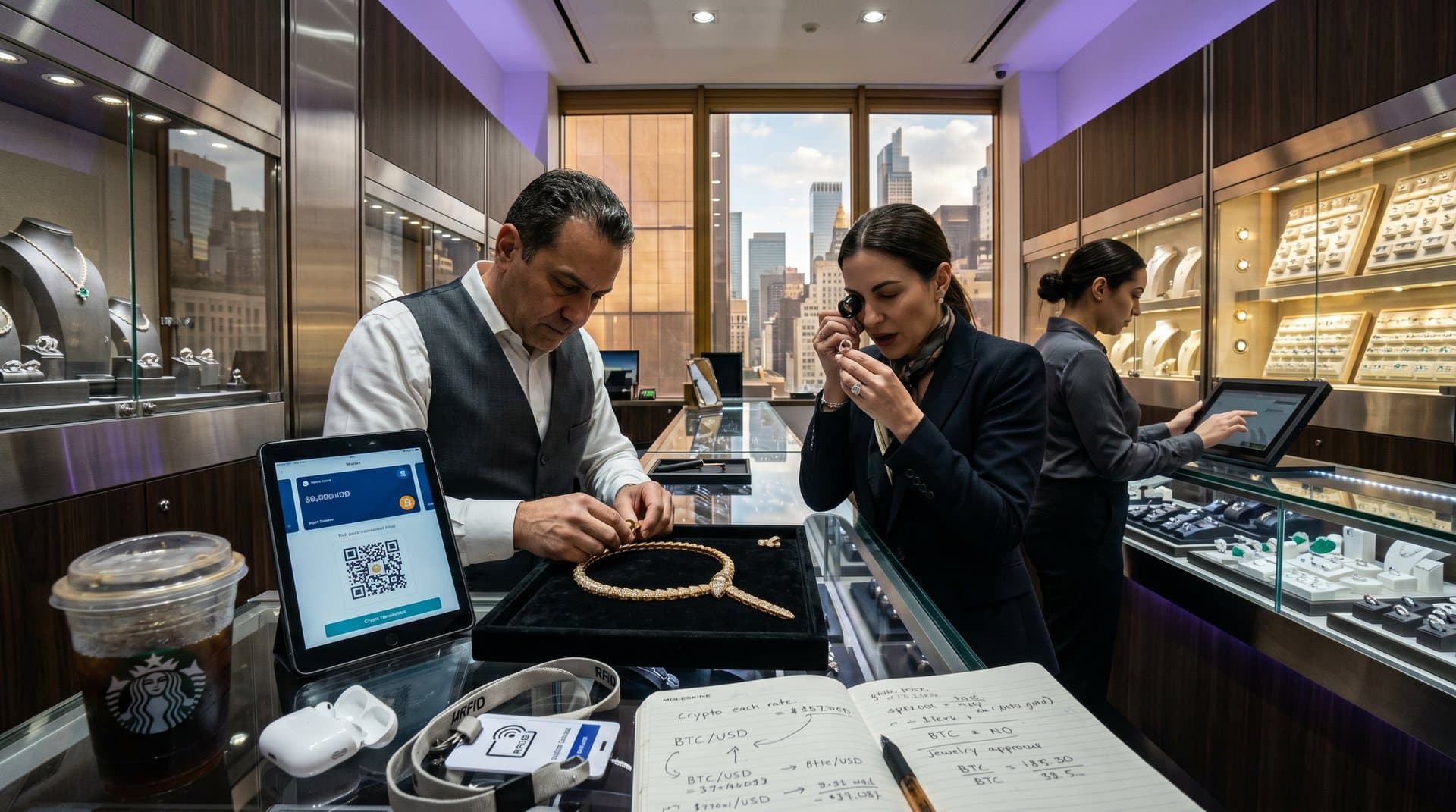
Cybersecurity breaches drained $1.7 billion USD in 2025 hacks, Chainalysis reports. Jewelry uses RFID and Richemont's blockchain pilots to cut fraud below 1 percent.
Strategic Implications for Luxury Conglomerates
LVMH advances blockchain gemstone certification through Aura Blockchain Consortium. Richemont invests 50 million CHF in lab-grown diamond traceability. These steps address crypto decentralization flaws.
Morgan Stanley caps crypto at 5 percent of portfolios. Jewelry achieves 7 percent CAGR with 80 percent less drawdown than crypto's 15 percent, per Monte Carlo simulations.
Independent jewelers thrive. Signet Jewelers reports 10 percent sales growth from HNWI shifts from digital assets. RJC certifications lift margins 12 percent.
Supply Chain Vulnerabilities in Crypto
Crypto mining uses 150 TWh annually, topping jewelry's 2 TWh polishing, Digiconomist states. Morgan Stanley flags ESG pressures. Fairmined gold covers 20 percent of luxury chains.
Jewelry tokenization trials like RealT suffer 30 percent redemption delays. Physical jewelry provides collateral value in 92 percent of Sotheby's auctions.
Consumer Impact on Jewelry Collectors
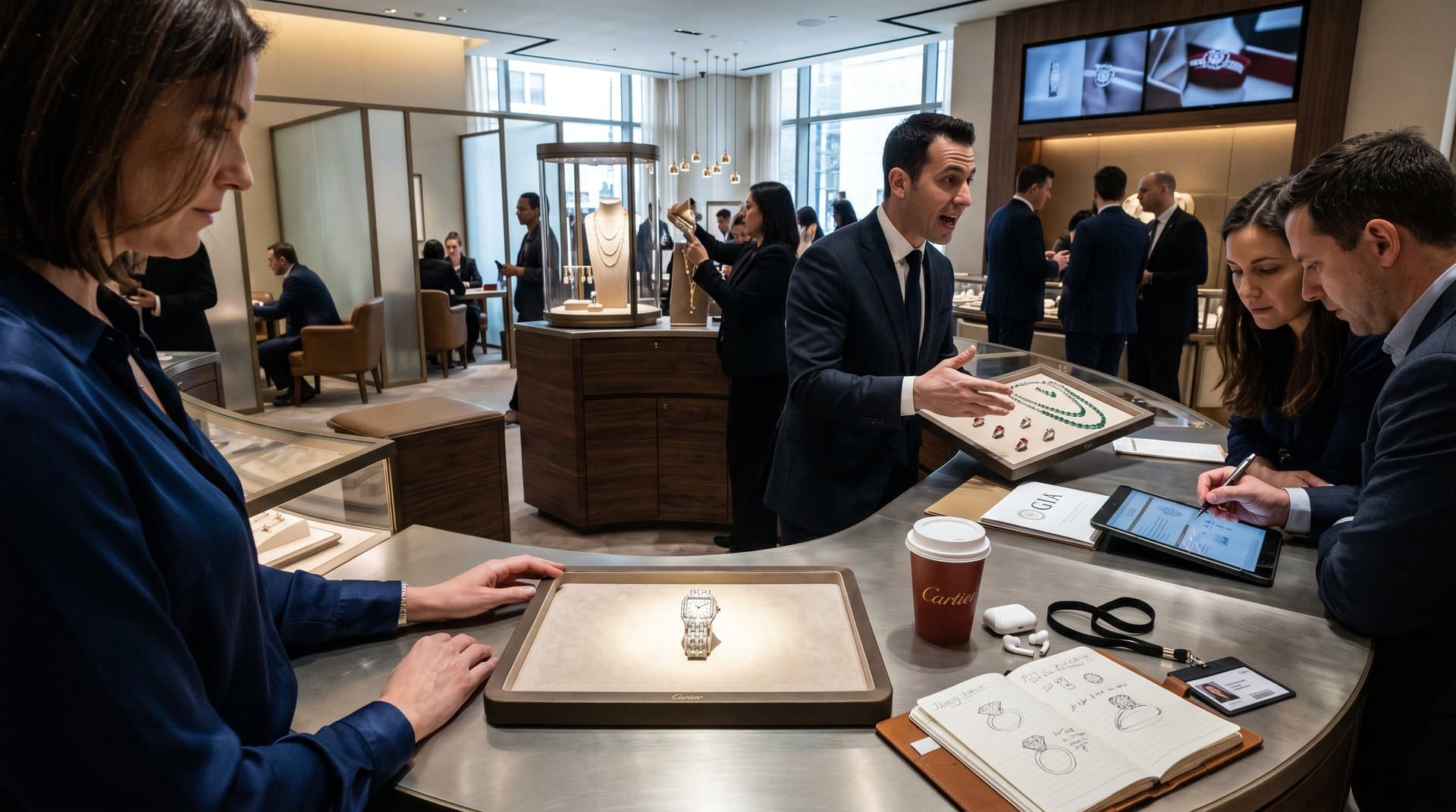
HNWI allocate 15 percent of portfolios to alternatives like jewelry, UBS Global Wealth Report 2026 shows. Crypto volatility undermines diversification. Collectors prefer Cartier high jewelry at $500,000-$2 million USD.
Van Cleef & Arpels pieces retain 105 percent value after five years. Morgan Stanley recommends 20-30 percent in tangibles. Bulgari's Aeterna collection proves stable.
Heirloom necklaces feature bezel-set Colombian emeralds (clarity enhanced per GIA standards) in 18k fairmined gold, retaining 98 percent value. Pavé-set diamond earrings in 950 platinum offer wear resilience.
Technology Angle: Blockchain in Jewelry Wins
Jewelry blockchain speeds provenance checks 40 percent, De Beers Tracr data confirms. Crypto smart contracts fail 25 percent of time, Certik audits show.
Tiffany & Co. NFT jewelry earned $20 million USD but lost 60 percent value. Physical assets lead. Lab-grown diamonds claim 25 percent share at $15 billion USD market value, GIA reports.
Outlook for Diversification Strategies
Morgan Stanley urges hybrid strategies amid Crypto Risks. Pair crypto with 10x jewelry collateral for 4 percent loans from Lombard Odier. Conglomerates hold 65 percent luxury market share.
Independent designers grow 18 percent in sustainable segments. Transparent chains benefit consumers. Crypto Risks reinforce jewelry's safe-haven role, targeting 8 percent sector growth in 2026.
Mike Wilson, Morgan Stanley executive, states: "Diversifiers must prioritize volatility-adjusted returns. Jewelry's tangibility provides unmatched resilience."