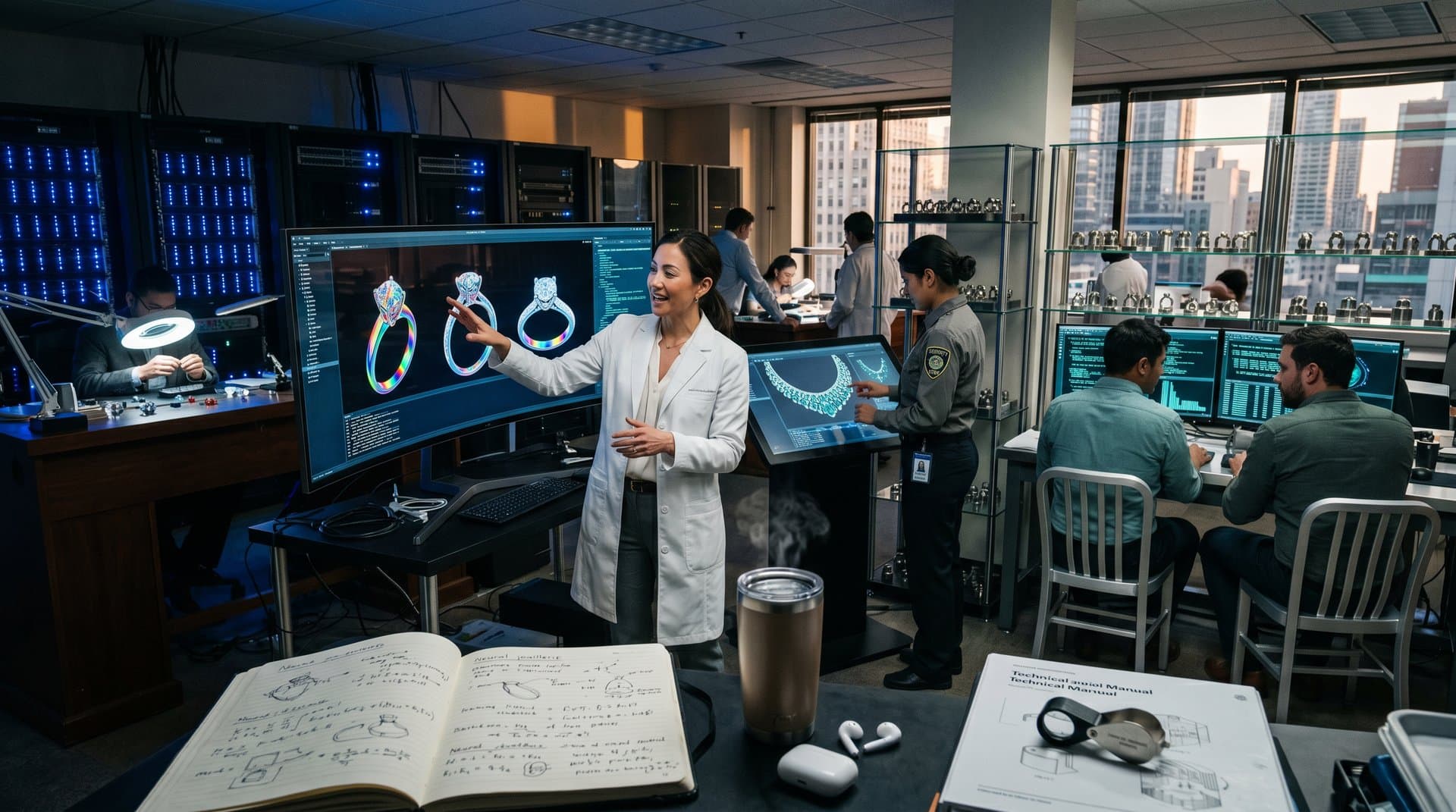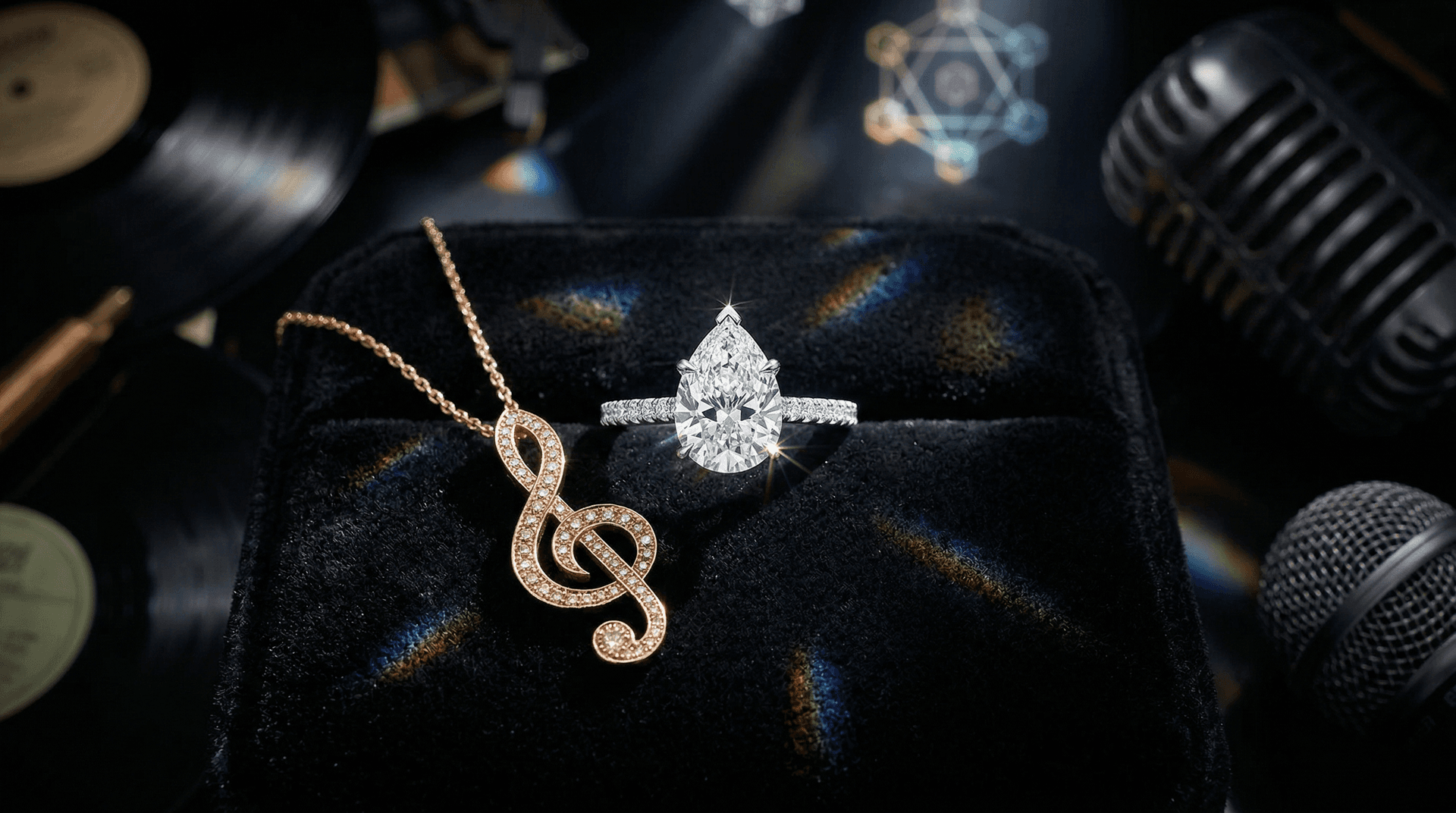
Spotify AI impersonators mimicking top artists erode trust in the $2.1 billion musician-endorsed bridal jewelry market. The Guardian reported 15,000 cases on April 11, 2026. LVMH forecasts $250 million USD revenue losses for 2026.
Streaming Vulnerabilities Hit Musician Jewelry Endorsements
Spotify identified 15,000 AI-generated tracks impersonating artists in Q1 2026, per EU Commission filings. Billie Eilish condemned unauthorized voice clones topping charts. These fakes shatter endorsement credibility that powers luxury jewelry campaigns.
Van Cleef & Arpels depends on artist authenticity for bridal collections with 18k white gold bands set with 1.2-carat total weight pavé VS1 diamonds (GIA graded, untreated natural stones). Eroding music trust risks jewelry sales, as collectors demand verified provenance.
LVMH musician partnerships drive 28% of bridal revenue (Bain & Company Luxury Goods Report 2026). AI dilution endangers this asset class's 8.2% YoY appreciation (Knight Frank Luxury Investment Index 2025).
Financial Pressures Mount on Endorsement Deals
Musician-endorsed jewelry generated $2.1 billion USD in 2025 (Bain & Company Luxury Goods Report 2026). Bridal segments claimed 28% at $18,500 USD average per piece. AI threats project 12% cuts to 2026 forecasts.
LVMH disclosed $250 million USD revenue risk on April 11, 2026, for Bulgari and Tiffany lines. Richemont flagged Cartier bridal impacts on 950 platinum wedding bands (2-carat D/IF center stones, GIA certified, laser-inscribed serial numbers). Marketing budgets rose 18% to fight fakes.
Investors retreat from entertainment-linked luxury amid volatility.
Bridal Collaborations Face Authenticity Dilution
Taylor Swift's Van Cleef & Arpels bridal line projects $150 million USD 2026 sales (NPD Group). Pieces feature 18k yellow gold Alhambra motifs with 0.5-carat peridot cabochons and pavé diamonds (F color, VS2 clarity, unheated per GIA). Voice clones dilute exclusivity, spurring buyer hesitation.
Beyoncé's Tiffany & Co. wedding collection recorded 5% Q1 2026 sales dip (NPD Group). 950 platinum HardMetal rings with 1.8-carat oval VS1 diamonds (GIA certified, natural) lose ground to conglomerates' verification resources.
Spotify detects only 65% of AI fakes (MIT Technology Review, April 11, 2026). Platforms pledge $500 million USD for detection upgrades, but gaps remain.
Blockchain Authenticity Solutions Fill Jewelry Gaps
Richemont blockchain pilots cover 40% of Cartier bridal inventory, tracking 950 palladium-white gold alloys from Fairmined mines (Everledger). LVMH secures 75% of lines with ETH-based NFT certificates.
Bulgari bridal sets deploy NFTs verifying artist approvals, zero gem treatments, and 18k rose gold purity. Adoption rose 22% YoY (Everledger Q1 2026).
Fairmined gold forms 12% of endorsed collections at 99.99% purity from certified Colombian mines (Responsible Jewellery Council 2026). Blockchain logs provide full chain-of-custody.
Industry Deploys AI-Blockchain Defenses
LVMH partners with Universal Music Group on AI voice authentication for contracts. Richemont invests $100 million USD in biometric 950 platinum provenance. Independents use OpenSea open-source tools for NFT ring certificates.
Spotify launched artist verification badges on April 11, 2026. Jewelry firms embed them in retail apps. Everledger reports 35% client surge in provenance tracking.
Web3 links entertainment and luxury finance.
Investment Shifts Favor Verified Bridal Assets
Bridal jewelry delivers 7.5% average annual returns (Knight Frank 2025). AI fakes raise insurance 10% for unverified 18k gold sets ($5,000-$50,000 USD).
68% of buyers avoid unverified collaborations (McKinsey 2026 Fashion Report). NFT-backed bridal sales rose 14% (Statista Q1 2026), led by conglomerates.
Consumer Demand Drives 2026 Authenticity Mandates
Spotify AI impersonators accelerate blockchain mandates. Richemont aims for 80% coverage by Q4 2026, lifting resale values 15% for GIA-certified, blockchain-tracked pieces. Independents must adapt to hold share in this $2.1 billion sector.