- 1. Boston University AI jewelry education launches virtual gemology labs as BTC rises 2.7% to $74,349 (CoinGecko, April 14, 2026).
- 2. ETH climbs 4.1% to $2,322.52 (CoinGecko, April 14, 2026) amid necklace design training advances.
- 3. Fear & Greed Index drops to 21 (CoinMarketCap, April 14, 2026), but crypto funds jewelry edtech.
By Elliott Crane April 14, 2026
Key Takeaways 1. Boston University AI jewelry education launches virtual gemology labs as BTC rises 2.7% to $74,349 (CoinGecko, April 14, 2026). 2. ETH climbs 4.1% to $2,322.52 (CoinGecko, April 14, 2026) amid necklace design training advances. 3. Fear & Greed Index drops to 21 (CoinMarketCap, April 14, 2026), but crypto funds jewelry edtech.
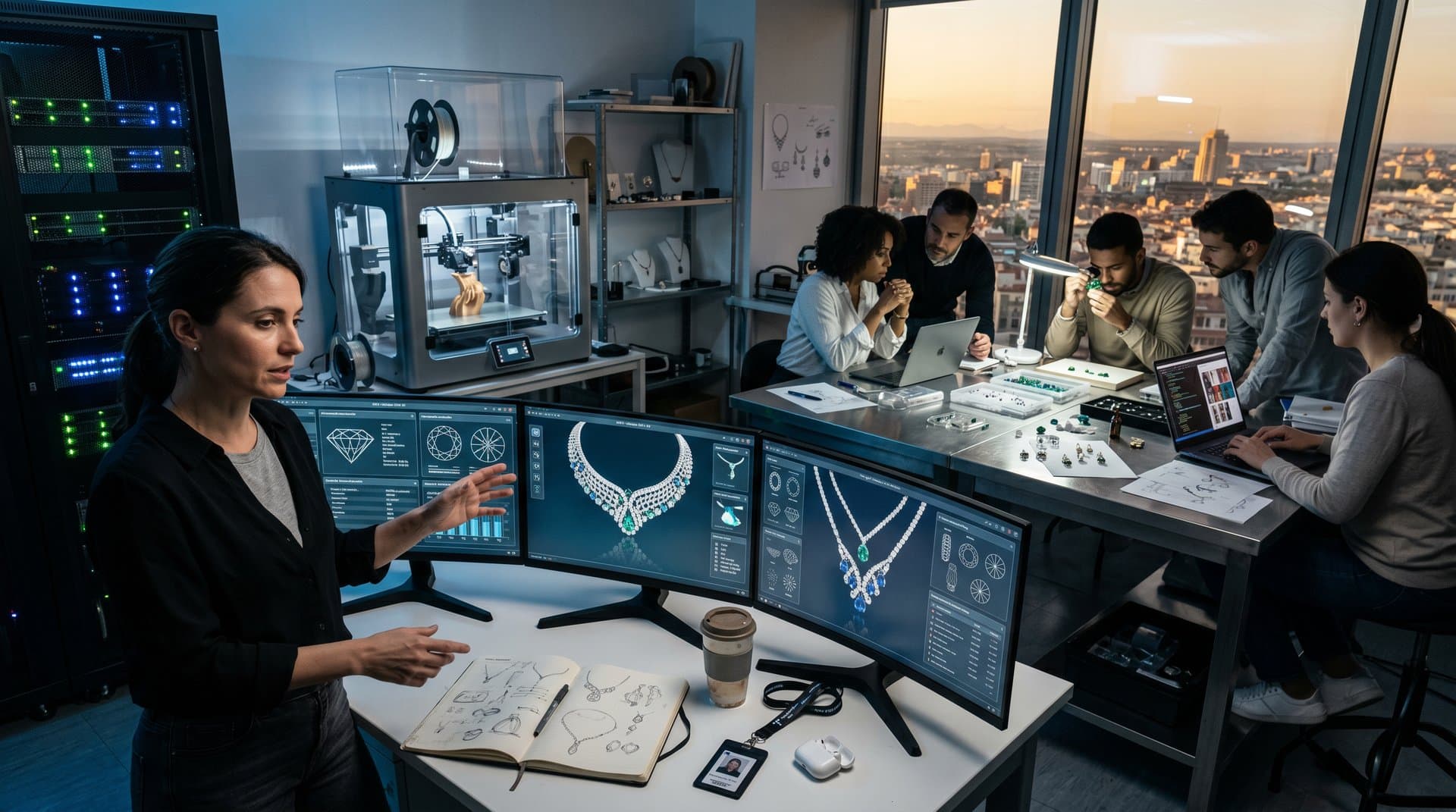
Boston University AI jewelry education launched virtual gemology labs for luxury necklaces on April 14, 2026 (BU press release). Students simulate 2.00 ct VS1 D-color diamond pendants in 18k yellow gold chains. VR provides GIA-standard grading training.
Virtual Gemology Labs Revolutionize Necklace Training
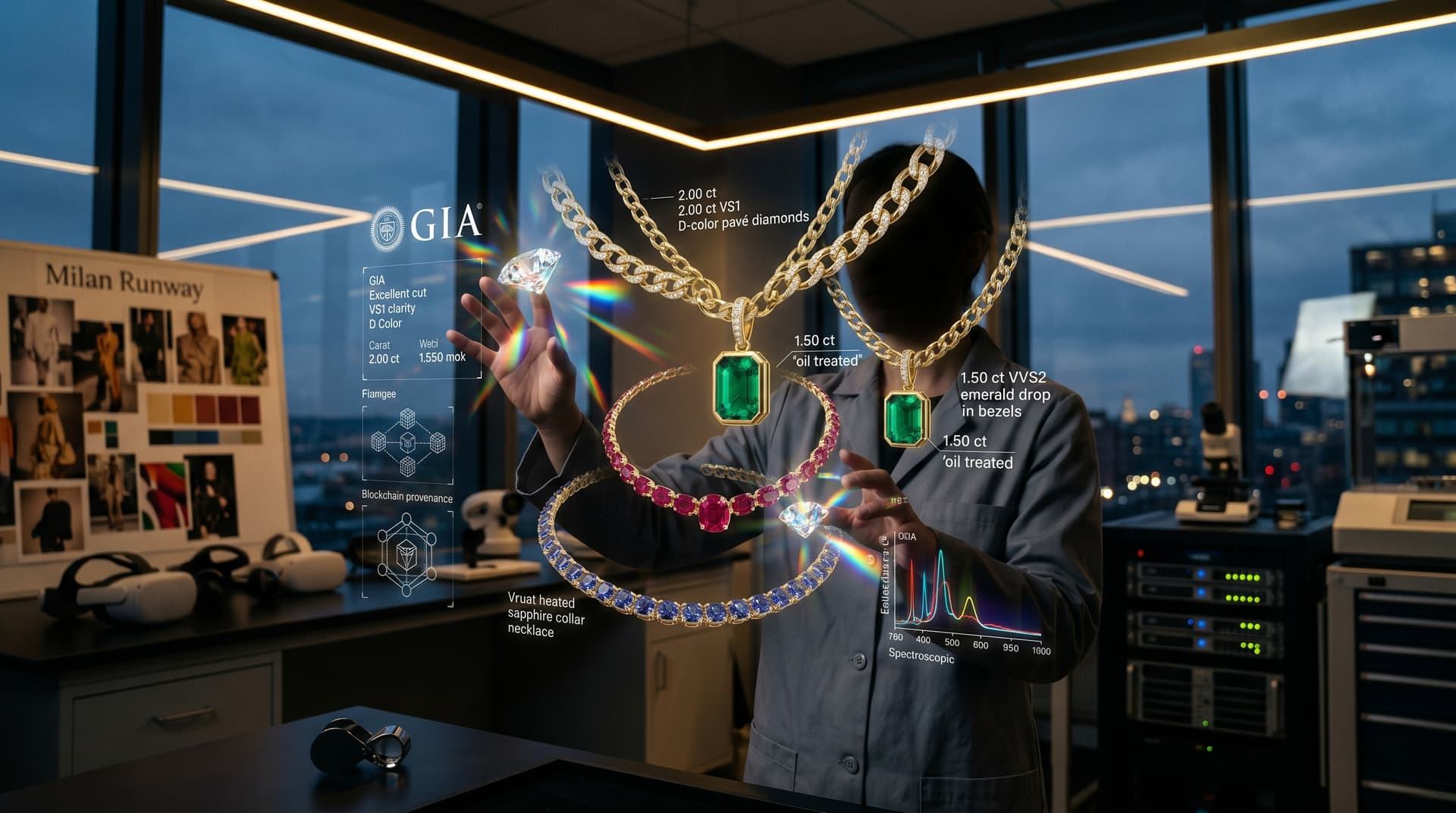
AI simulates Fancy Vivid Yellow diamond cuts and heated Kashmir sapphire origins with treatment disclosures (GIA Lab Notes, Q1 2026). Learners manipulate holographic 18k gold chains and 950 platinum bezels. Displays show index of refraction values.
Computer vision grades 1.50 ct emerald drops (VVS2 clarity, minor oil treatment per GIA). Generative AI generates necklace prototypes instantly.
VR headsets test prong settings on 3.00 ct ruby chokers. Gold karats adjust from 14k to 18k dynamically.
Personalized Necklace Design Training Emerges
AI tailors pavé blueprints with 0.50 ct VS2 diamonds. Software predicts 18k gold durability over 10 years (NIST materials data, 2026).
Platform integrates Milan Fashion Week 2026 archives. Neural networks adapt Bulgari links to pear-shaped sapphires.
Designers preview 14-inch neckline scales on digital models. AI recommends GIA-certified conflict-free lab-grown options.
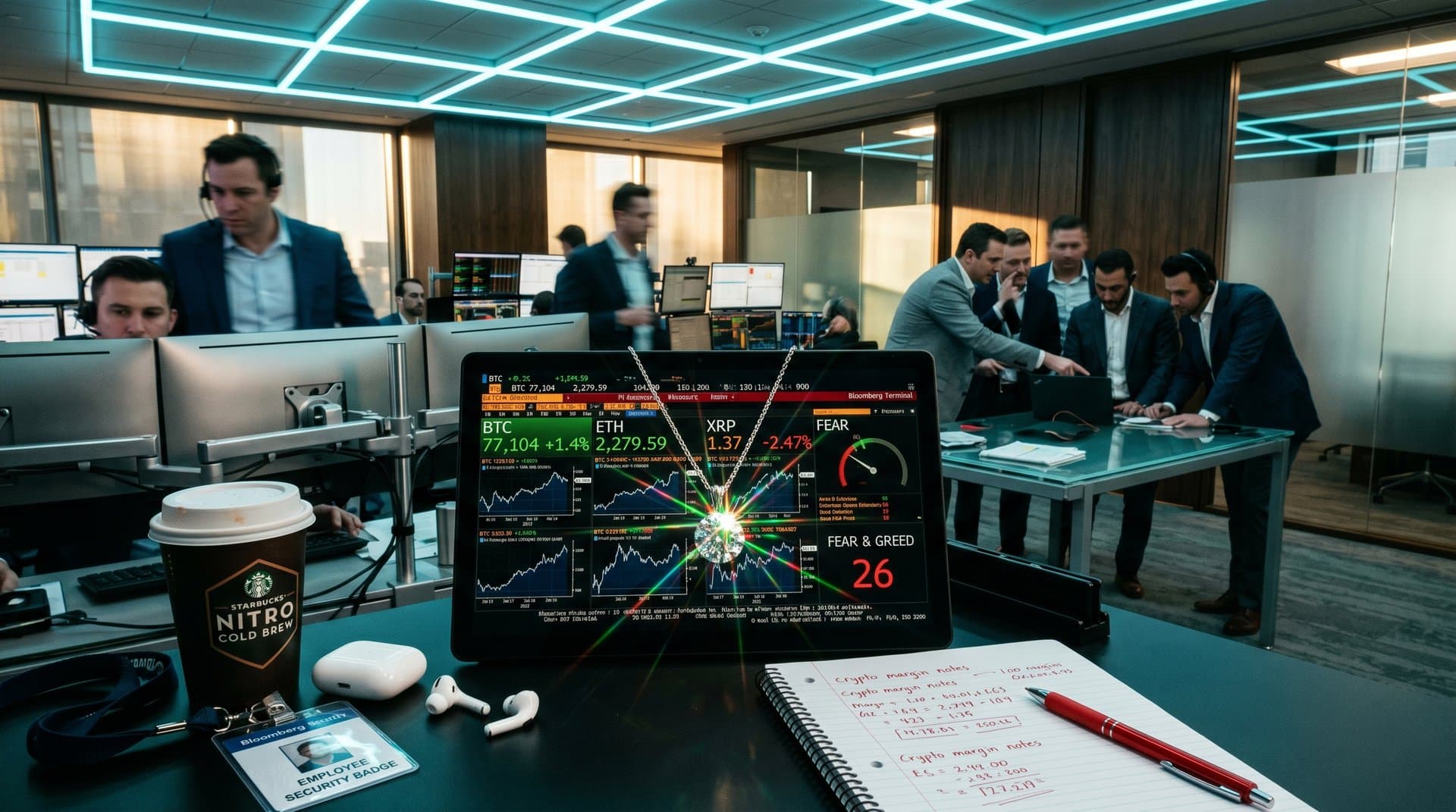
BTC reaches $74,349, up 2.7% (CoinGecko, April 14, 2026). Crypto gains fund jewelry edtech platforms.
Crypto Funding Powers Boston University AI Jewelry Education
Fear & Greed Index signals extreme fear at 21 (CoinMarketCap Fear & Greed Chart, April 14, 2026). ETH rises 4.1% to $2,322.52 despite volatility.
Blockchain verifies necklace diamonds via Ethereum ledgers. Students trace 4Cs provenance in simulations.
BTC surge signals institutional adoption. Digital wealth accelerates AI jewelry tools. Necklace programs attract this capital.
AI Jewelry Tools Unlock Pricing Tiers
Entry apps cost $499 USD/year for 1.00 ct GIA sim scans. Pro VR suites run $1,999 USD.
Enterprise licenses exceed $10,000 USD. BU accepts BTC payments campus-wide.
Investment pieces like 20.00 ct pearl strands feature AI clasps. Seasonal chains depreciate 15% yearly (Christie's Geneva, March 2026).
Sustainable Necklace Simulations Advance
AI renders CVD lab-grown 2.50 ct Type IIa diamonds with 90% lower emissions than mined (GIA Sustainability Report, 2026). Students compare heated Burmese rubies to synthetics (85% simulation yield).
Modules cover 22k Indian kundan filigree and Japanese platinum maki-e. All align with Kimberley Process standards.
Necklace Market Surges with AI and Crypto Boost
BTC tops $74,000, spurring collector demand. Christie's necklaces averaged $450,000 USD (Christie's Geneva sale, March 2026).
Pension funds target edtech. Provenance NFTs yield 5% premiums.
Rate cuts may push ETH to $3,000. Boston University AI jewelry education prepares designers for necklace investment growth.